What does Colorado’s debt load mean for real estate prices?
I was surprised to see Colorado exceed every other state in the country on both the amount of debt and debt as a percentage of income. Why do Coloradoans have more debt than others? Why is debt an important indicator for real estate prices in the future? What does this mean for the next economic cycle?
What was in the data on Colorado’s debt binge?
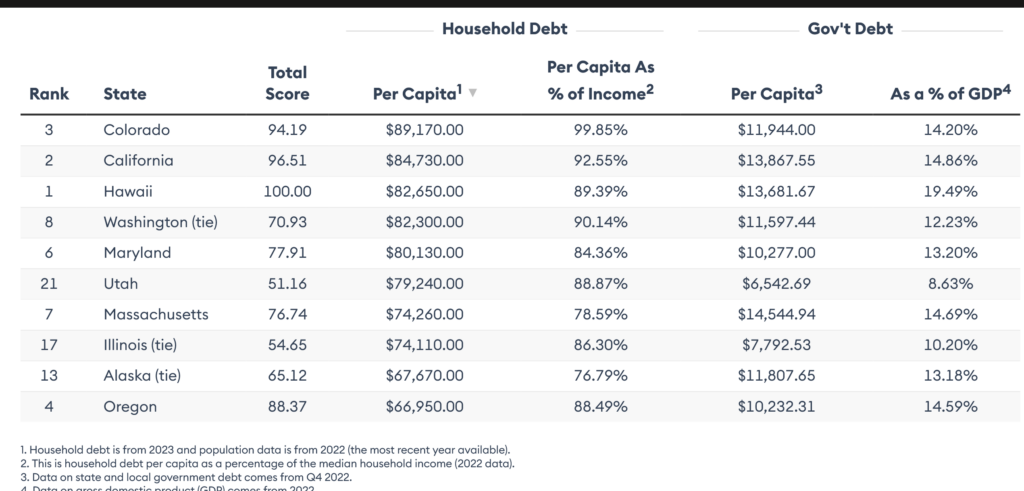
Colorado recorded the highest household debt per capita, with a sum of $89,170, which constitutes 99.85% of the average annual earnings of a Colorado resident. “Average wages are higher in Colorado. According to our recent study on the cost of living by state, Colorado has the eighth-highest salary by state,” said Michael Benninger, lead banking editor at Forbes Advisor, in an email.
Even after accounting for the extra money Colorado workers pull down, household debt as a share of household income is at 99.85%, the heaviest burden of any state. In California, the debt-to-income burden is 92.6% and in Nevada it is 91.3%.
The average household debt to income burden of all states is at 77%, so debt represents a considerably heavier burden in Colorado than in other states.
Why focus on the debt burden of Coloradoans
We The increase in consumer credit is particularly striking as higher rates have yet to deter consumer spending. Despite interest rates on credit cards sitting north of 21% through Q4-23, the highest annual percentage rate (APR) in over 30 years (chart), revolving consumer credit has continued to march higher. Rates for other purchases that can comprise large monthly payments for consumers, such as auto purchases, are also much higher. All these financing charges are adding up.
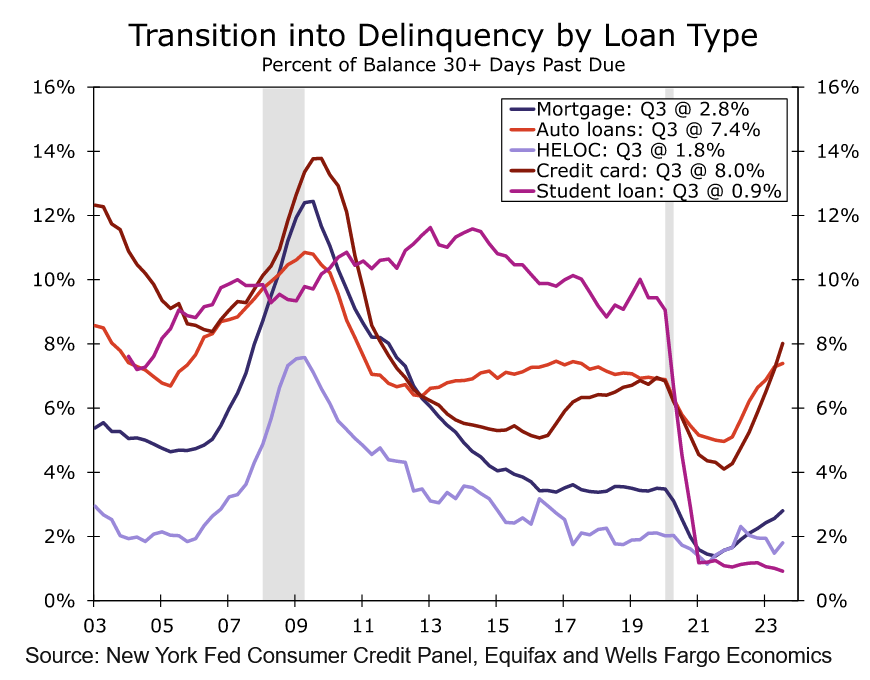
We saw in 2008 that higher debt led to a contagion effect and ultimately substantial mortgage defaults. In this cycle, most mortgage debt is tied to ultra low interest rates, but as consumer debt increases and defaults increase the likelihood that this spills into mortgage payments increases.
What does the high level of debt mean for Colorado
real estate prices
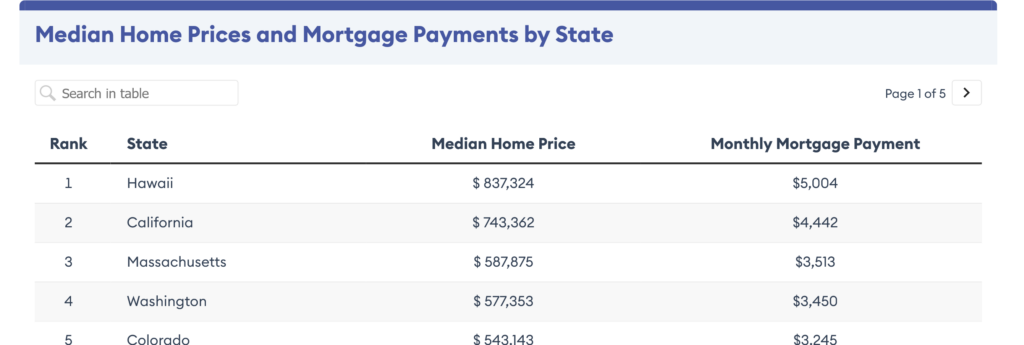
With the high level of debt that Coloradoans are carrying, this will limit upside potential in real estate. The increased debt burden will make it substantially harder for many to qualify for a new mortgage as either a first time homebuyer or move up buyer. The high debt load coupled with higher mortgage rates will best case freeze the current market.
As consumer debt continues to pile up reaching records for auto and credit card debt, the probability something breaks has also increased. If we see a noticeable uptick in unemployment look for consumer defaults to rise further and ultimately mortgages which will put further pressure on prices.
Summary
Colorado has won many awards, but unfortunately leading the nation in debt is not a title that we should be proud of. Higher debt exponentially increases the probability of bad things happening in the economy. In the best-case scenario real estate will be impacted with stagnant prices. The other probable scenario is that the increased consumer debt load will ultimately cause a reduction in prices. My guess is that in markets like Denver we will see about a 15% decline in prices year over year due to increased consumer debt which will ultimately limit demand for houses.
Additional Reading/Resources