Colorado has always been a bit unique on who can access rivers and where. There is a recent case ruling that drastically upends the status quo and could radically alter private property rights. If you own a property or have a lease on a property that has live water this ruling will drastically alter your value. What was in the case and why is it so profound for Colorado real estate?
What was in the case that triggered the lawsuit?
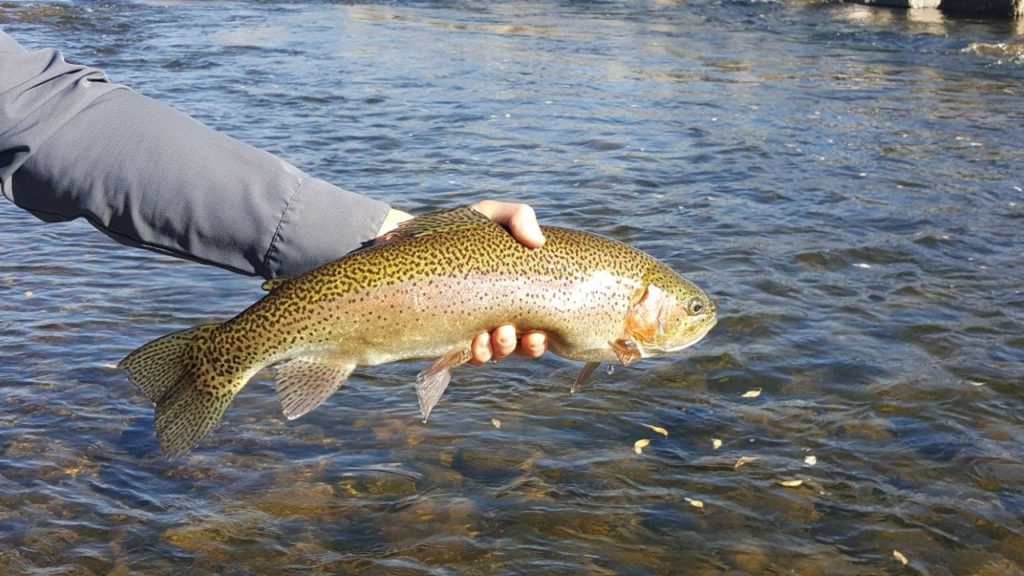
Back in August 2012, Mark Warsewa and Linda Joseph, owners of land adjacent to the Arkansas, ordered Hill off the river as he was catch-and-release fishing about five miles downstream from Cotopaxi where Texas Creek flows in and brown trout abound along with occasional rainbows, court records show. Hill’s initial complaint alleges Joseph threw baseball-sized rocks down on him to drive him away.
HIll went on to file a lawsuit against Warsewa and Joseph to establish his right to be in the riverbed. Note, Colorado is drastically different than other states. Colorado allows private ownership of riverbeds while all other states treat rivers deemed “navigable” as public.
For example, in Montana, as long as you enter the water of a navigable river on public land then you can fish, float, etc… that stretch of river. Colorado is unique, for example there are multiple private fishing clubs/leases on rivers like the South Platte, Yampa, etc… where others are not allowed to access the river to fish, boat, etc… This is the essence of the case filed by Hill.
Colorado land law different than other states
The appeals judges’ Jan. 27 ruling says state courts must decide river access cases depending on how rivers were used in 1876 when Colorado became a state. That’s the “navigability at statehood” test, based on whether rivers could be used commercially in their ordinary condition, that the U.S. Supreme Court set for states in determining whether a riverbed can be private property.
Colorado appeals judges in their decision wrote that “if, as Hill alleges, the relevant segment of the river was navigable at statehood, then the Warsewa defendants do not own the riverbed and would have no right to exclude him from it by threats of physical violence or prosecution for trespass.”
Case radically changes private property rights and in turn values
Colorado land law is radically different than other states and this recent ruling will drastically alter private property rights. If Hill wins then any river that was “navigable” in any fashion in 1876 is now open to the public.
Assume you bought a ranch on the Yampa River outside of Steamboat, you paid millions for the ranch as it had private fishing along the river. With this ruling the value of that fishing right is worthless as anyone from the public can now fish through your property (staying on the river bottom).
As you take this a step farther, there are many private fishing clubs on gold medal water where buyers have paid hundreds of thousands for the right to buy a portion of the club for exclusive fishing or guiding others. These purchases and leases are now worthless as well.
Public taking of private property
This case highlights an interesting question. If a private landowner bought a ranch and part of that ranch included the river which was owned at the time of purchase, what compensation are they entitled to if the river is now in the public domain.
Essentially this new precedent set by the courts would take away rights from the landowner and give those rights to the state/public, a classic definition of public taking. Who will compensate the landowner for their loss? The litigation from this court case will be astronomical.
How will this case end up?
Based on the openness of the judges to unanimously allow the case to proceed, I think the odds are much greater than 50% that Colorado law could be radically altered. The appeals court has created “the potential for a storm of litigation,” said Steve Leonhardt, a water attorney who filed the CWC’s position in this case. “It’s a threat to property rights people have generally thought were settled for 150 years.”
Summary
The Hill case regarding the Arkansas river is precedent setting with enormous implications for property owners and recreationalists throughout the state. The Hill lawsuit would radically alter the concept of private property and lead to exponential litigation to establish what was navigable in 1876. Furthermore, litigation will ensue for the “taking” of private property rights that have been established for 150 years. Property owners and prospective buyers need to keep a close eye on this litigation as it could radically alter values.
Additional reading/resources