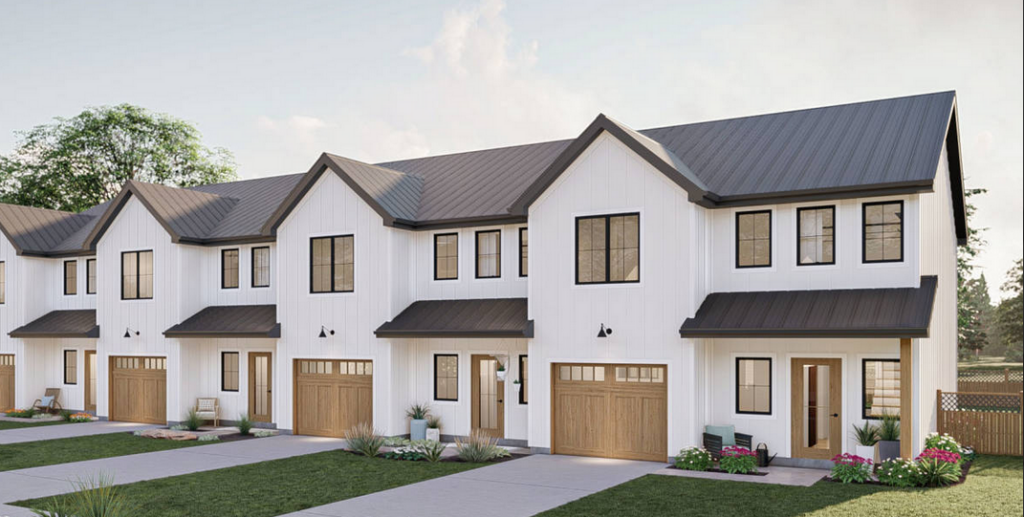
In a stinging defeat Lakewood Colorado voters easily defeated by a 2 to 1 margin proposed zoning changes that would have allowed duplexes and triplexes anywhere in the city. The special election vote strikes a blow against those who have been pushing for more density in the state’s fifth-largest city in the hopes of increasing housing supply and lowering home prices. What was in the rezoning measure? Why is this vote so monumental for Denver and the Colorado front range?
What was in the rezoning measure in Lakewood?
The City Council passed four ordinances in 2025 that together encourage the construction of more varied housing types, and by extension, greater density — with the ultimate aim of lowering home prices in a notoriously expensive metro housing market.
The changes the City Council made last year allow diverse housing types — duplexes, triplexes, quadplexes and townhomes — anywhere in the city. They also limit new home sizes to 5,000 square feet and encourage the conversion of vacant or underused commercial buildings to housing.
The state of Colorado and local cities at odds over density/growth
The state of Colorado is all in on trying to mandate statewide zoning to increase density. It seems like the only legislative solution on the table is to just build more. Unfortunately we have seen that building more doesn’t equate to lower prices in high cost markets. Look for some interesting litigation to emerge between various cities and the state of Colorado about who is in charge of local zoning.

Are Lakewood voters smarter than the legislators?
The prevailing solution to housing throughout the state has been to just build more with the assumption that more supply will ultimately lead to lower prices. Unfortunately, in theory this works, but in real life throughout Colorado just increasing supply has done nothing for affordability and in many cases, it has decreased affordability.
The real estate market cannot be simplified to only supply and demand. Take a market like Steamboat Springs, supply increases and yet demand is outpacing supply so there have been no reductions in prices. Quite the opposite as prices have continued increasing even with a number of new projects coming online that have increased supply. Check out the recent data above showing average and median prices still increasing even as supply continues to increase.
To further this discussion, in Lakewood developers who would want to build a duplex or triplex would buy less expensive properties in order to redevelop them. This seems logical, why would a builder pay a million dollars to tear down a house, they likely wouldn’t, they would buy the 300 or 400k house that is priced lower than the others in the neighborhood.
It is also important to note that none of the increased “upzoning” laws that I have seen in Colorado have mandated affordable housing as a requirement of upzoning. So the builders actually would be eliminating the lowest priced homes to redevelop into higher prices homes for resale.
To answer the question above, Lakewood voters are smarter than the legislatures passing the upzoning laws.
Requiring higher density alone is a disaster for Colorado
The voters in Lakewood and other cities throughout the state have figured out that just increasing supply does nothing for affordability. Ironically, in many cases requiring upzoning leads to much faster gentrification and elimination of the last remaining affordable housing.
Unfortunately our legislatures have missed the “advanced” economics class and continue to pound on the drums that only supply will solve the affordability crisis. The truth is that Colorado is unaffordable due to high costs of land, high labor and material costs, energy efficiency requirements, water tap fees, high property tax and insurance rates etc… The legislature has failed to address any of the inputs driving up housing costs.
If the legislature were really concerned about affordability, upzoning requirements should come with deed restrictions that the property must be used for affordable housing (up to 80% of the median income in the area). If this requirement was included in the legislation, I would guarantee we would have very few if any takers to upzone as the costs to build mentioned above make it unfeasible to build affordable housing in Colorado even with upzoning.
Additional Reading/Resources